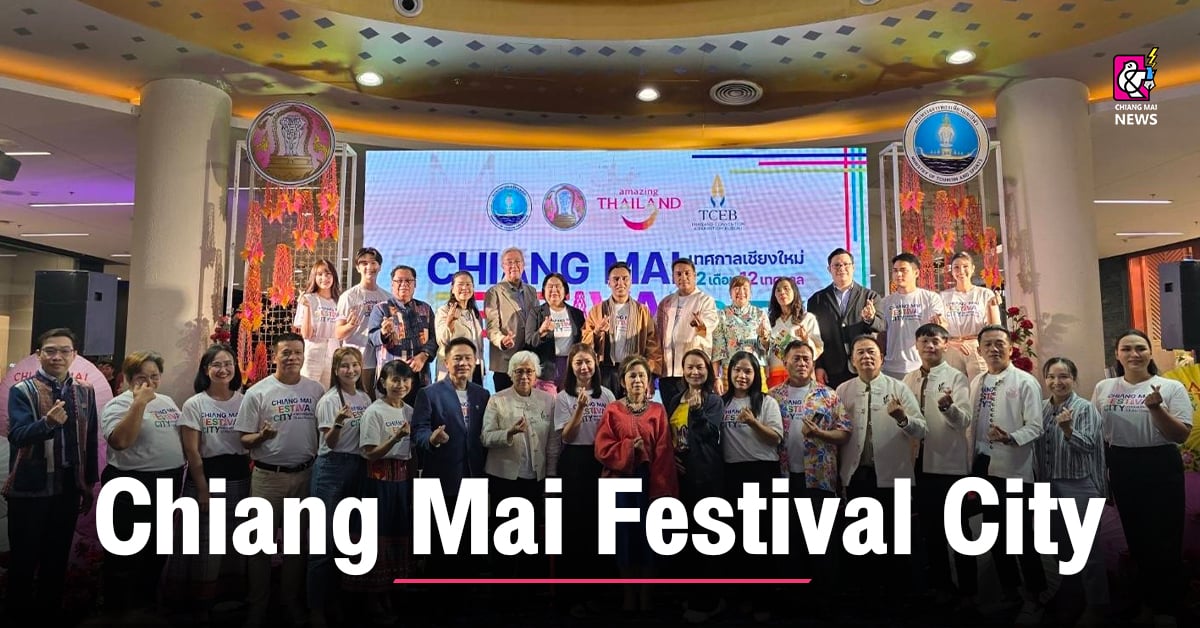
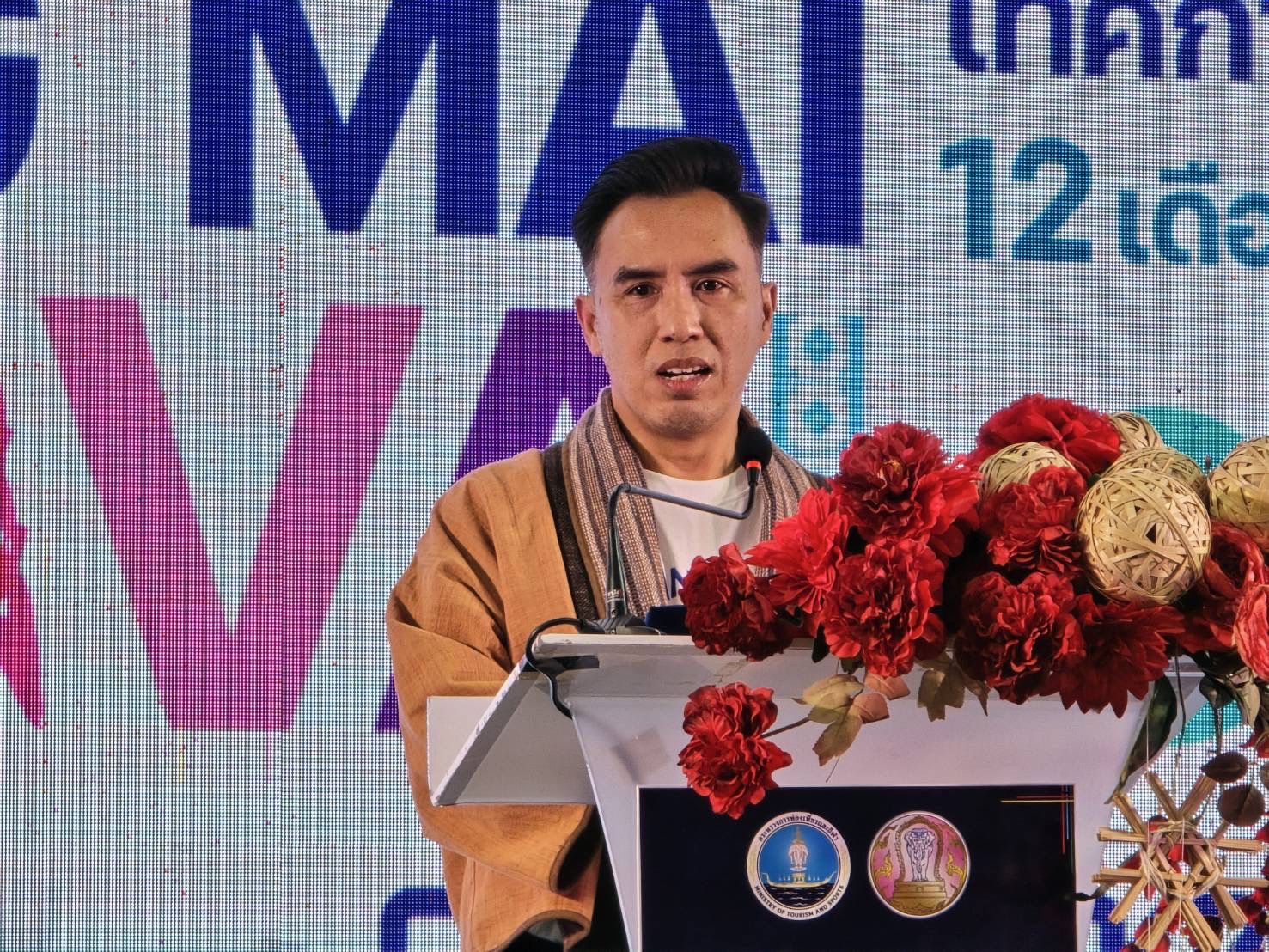
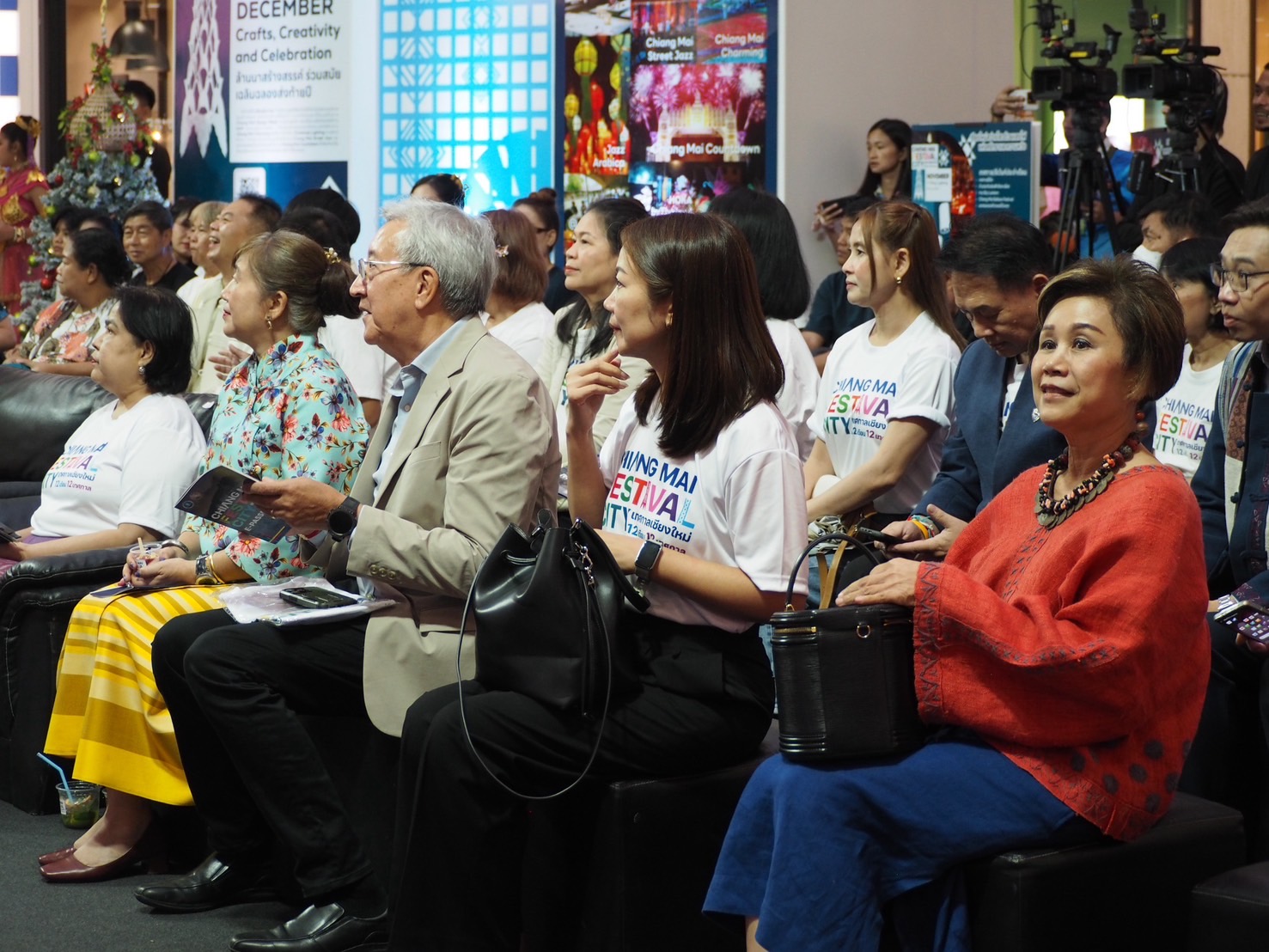
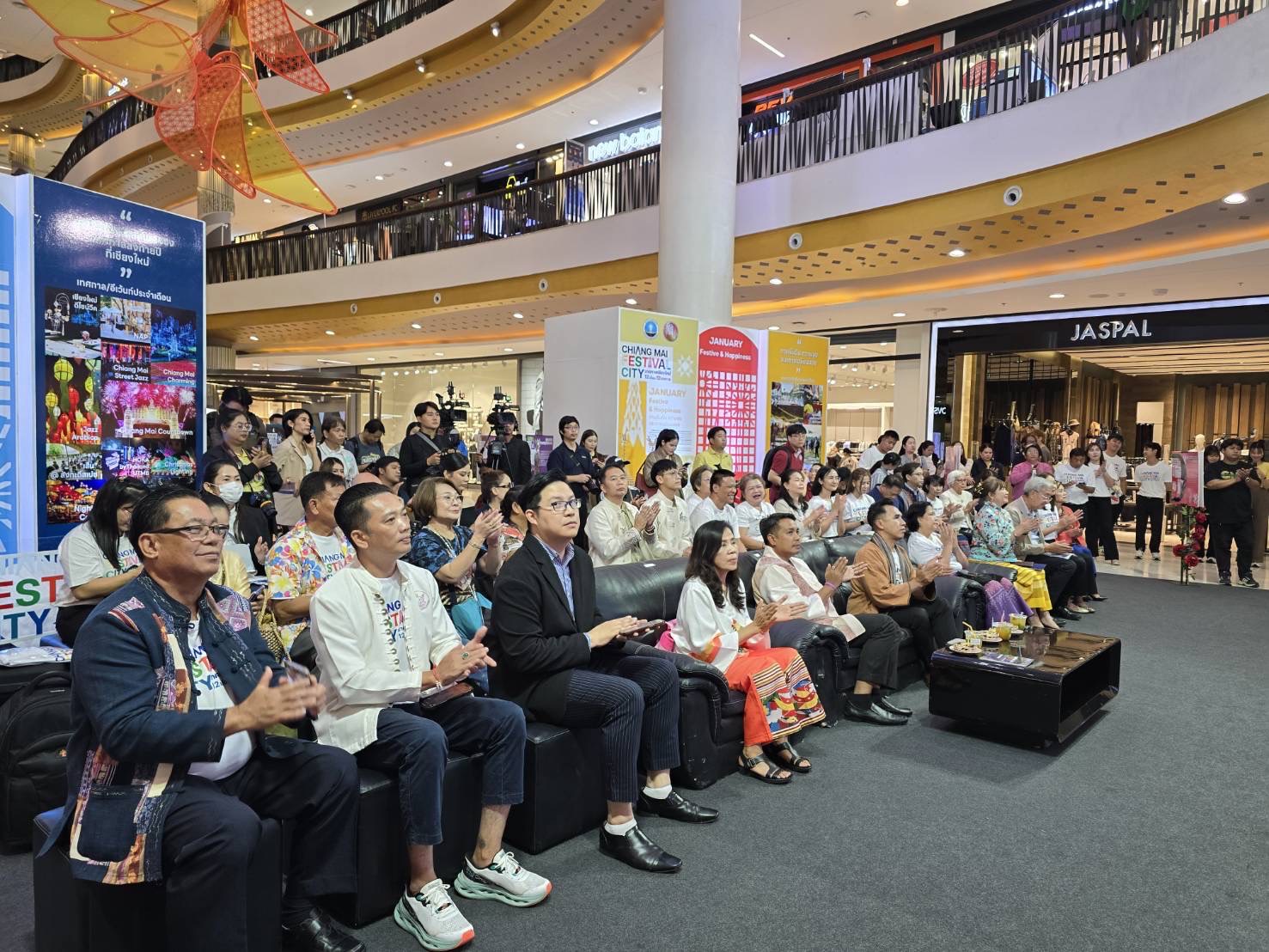
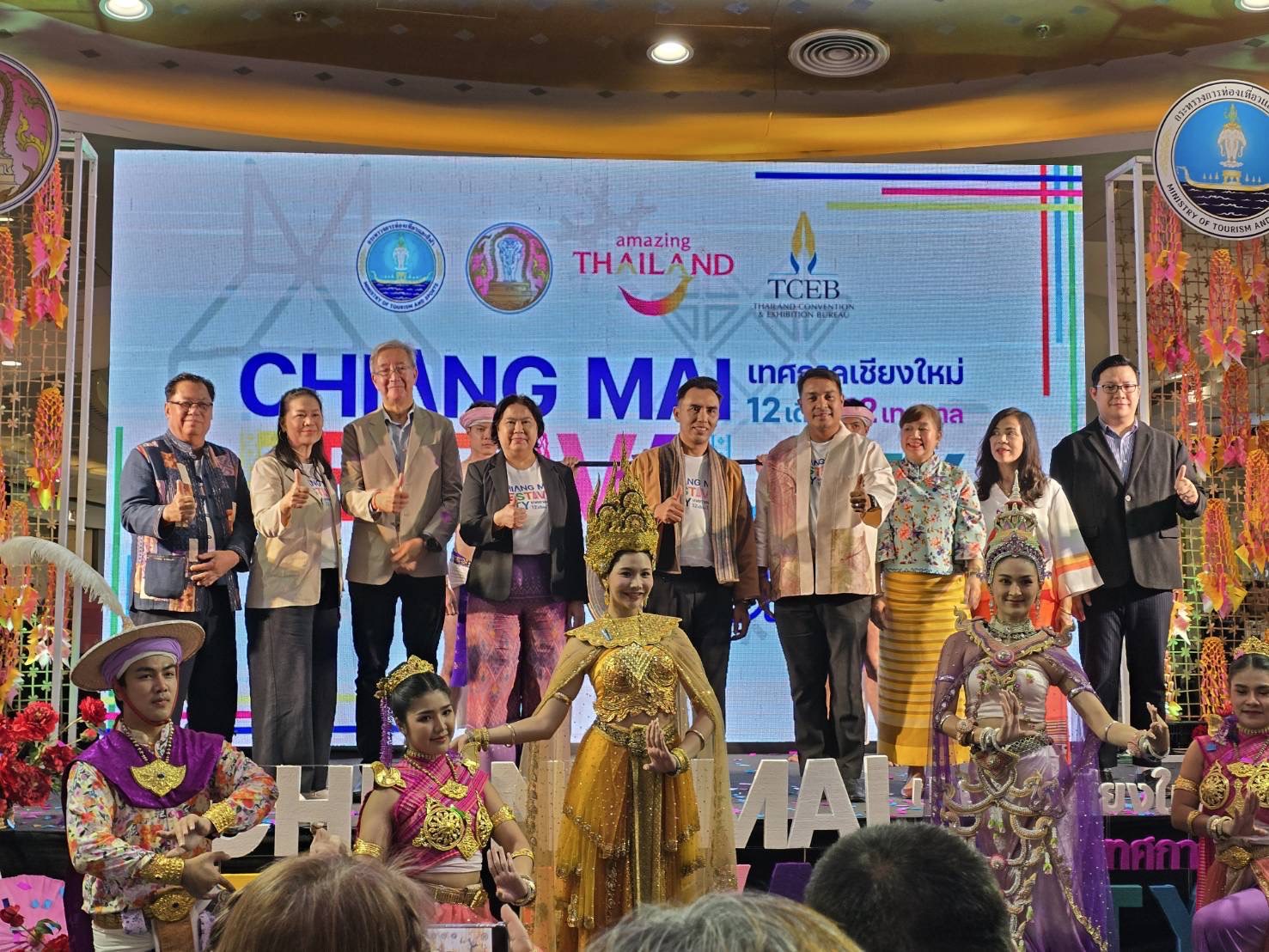
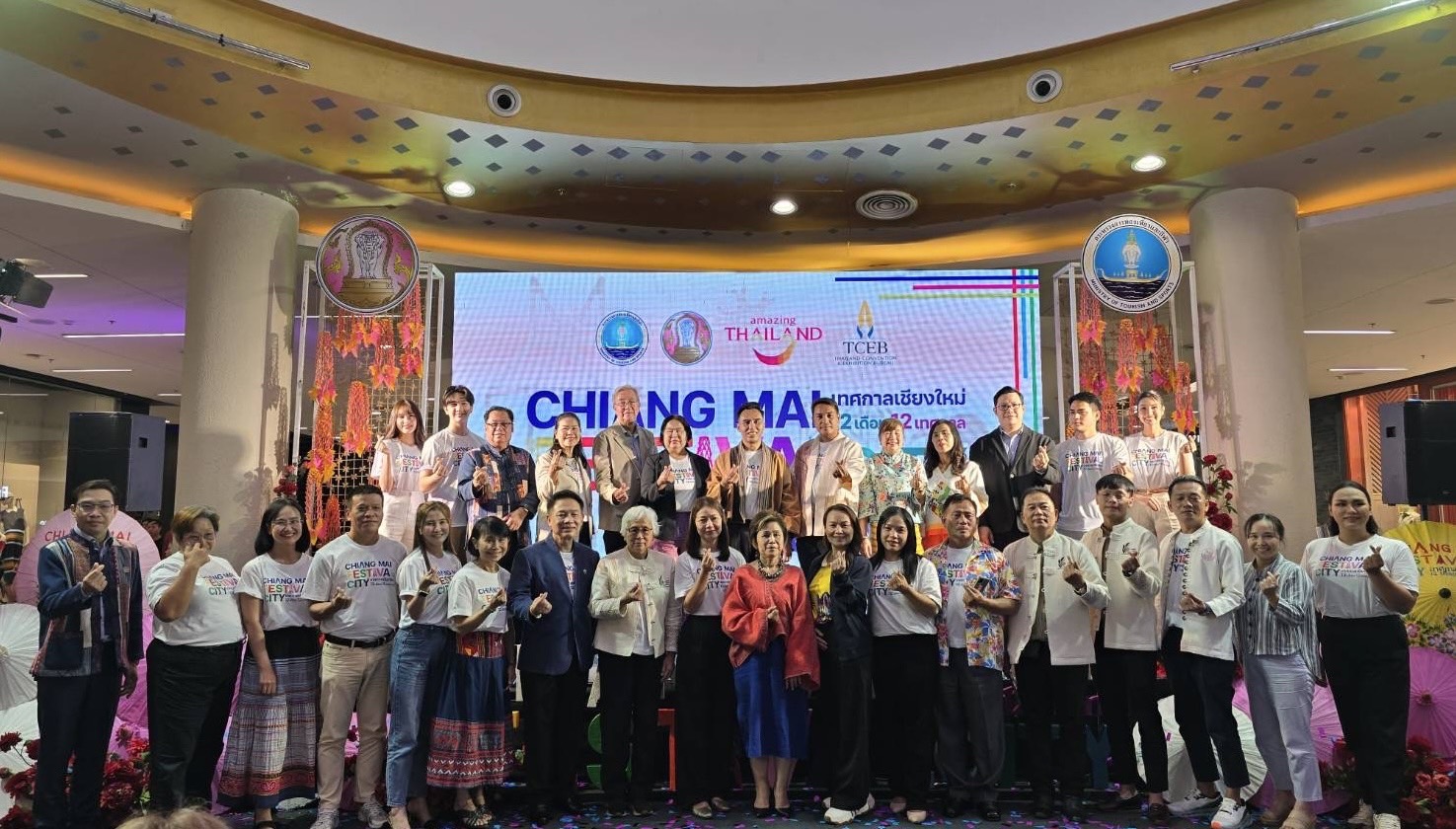
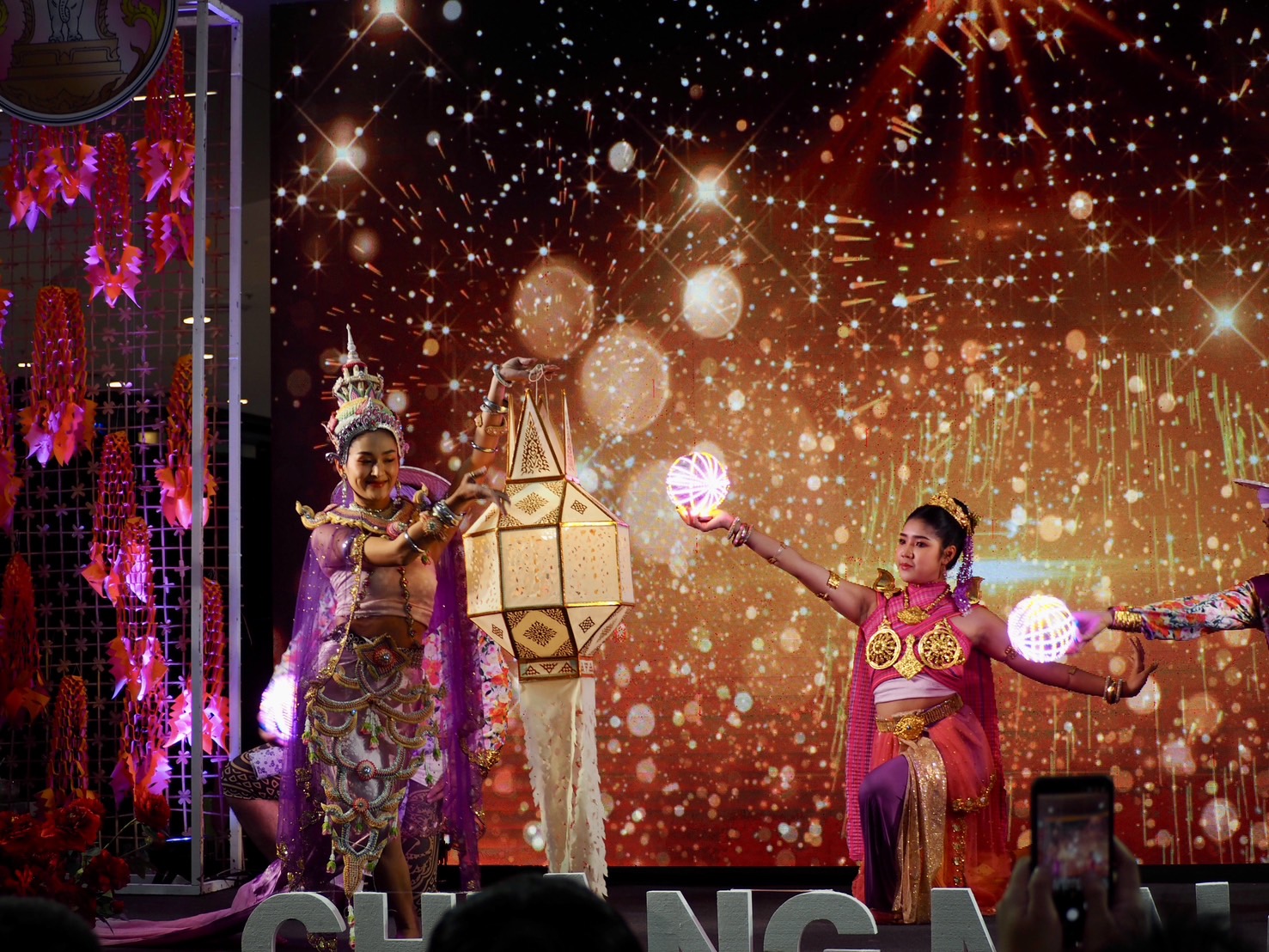
ด้านนายอิทธิรัฐ สินารักษ์ ท่องเที่ยวและกีฬาจังหวัดเชียงใหม่ เปิดเผยว่า กิจกรรมภายใต้โครงการนี้ประกอบด้วย จุดถ่ายรูป 12 จุดทั่วเมือง, กิจกรรม “Passport to Chiang Mai & E-Passport”, สื่อประชาสัมพันธ์ออนไลน์เชิงสร้างสรรค์ และกิจกรรม “แชะ เช็ค แชร์” เพื่อสร้างการมีส่วนร่วมของนักท่องเที่ยว พร้อมเชื่อมโยงกับเทศกาลสำคัญตลอดปี เช่น เทศกาลดอกไม้เชียงใหม่, สงกรานต์ล้านนา, ยี่เป็งโคมไฟ และ Countdown Chiang Mai
รวมถึงเทศกาลร่วมสมัยใหม่ ๆ เช่น Wellness & Wellbeing, Food Fun Fashion & Music และ Craft & Creative Design วันนี้ 22 กันยายน 2568 นี้ถือเป็นวัน KICKOFF กิจกรรมสร้างการรับรู้ท่องเที่ยว 12 เดือน 12 เทศกาล อย่างสร้างสรรค์ โดยสามารถติดตามรายละเอียดได้ที่ Facebook : Chiangmai Festival City 12 เดือน 12 เทศกาล หรือทาง Line : @chiangmaifest
กิจกรรม “Chiang Mai Festival City : 12 เดือน 12 เทศกาล” นับเป็นกลไกสำคัญในการผลักดันให้เชียงใหม่ก้าวสู่การเป็น World Festival Destination อย่างแท้จริง สร้างทั้งการรับรู้ด้านการท่องเที่ยว กระตุ้นเศรษฐกิจท้องถิ่น และทำให้เชียงใหม่เป็นจุดหมายปลายทางที่นักท่องเที่ยวอยากมาเยือนซ้ำ รวมไปถึงต่อยอดการพัฒนาแบบองค์รวมโดยใช้ทุนทางสังคมของเชียงใหม่เป็นฐานการพัฒนาอย่างแท้จริง
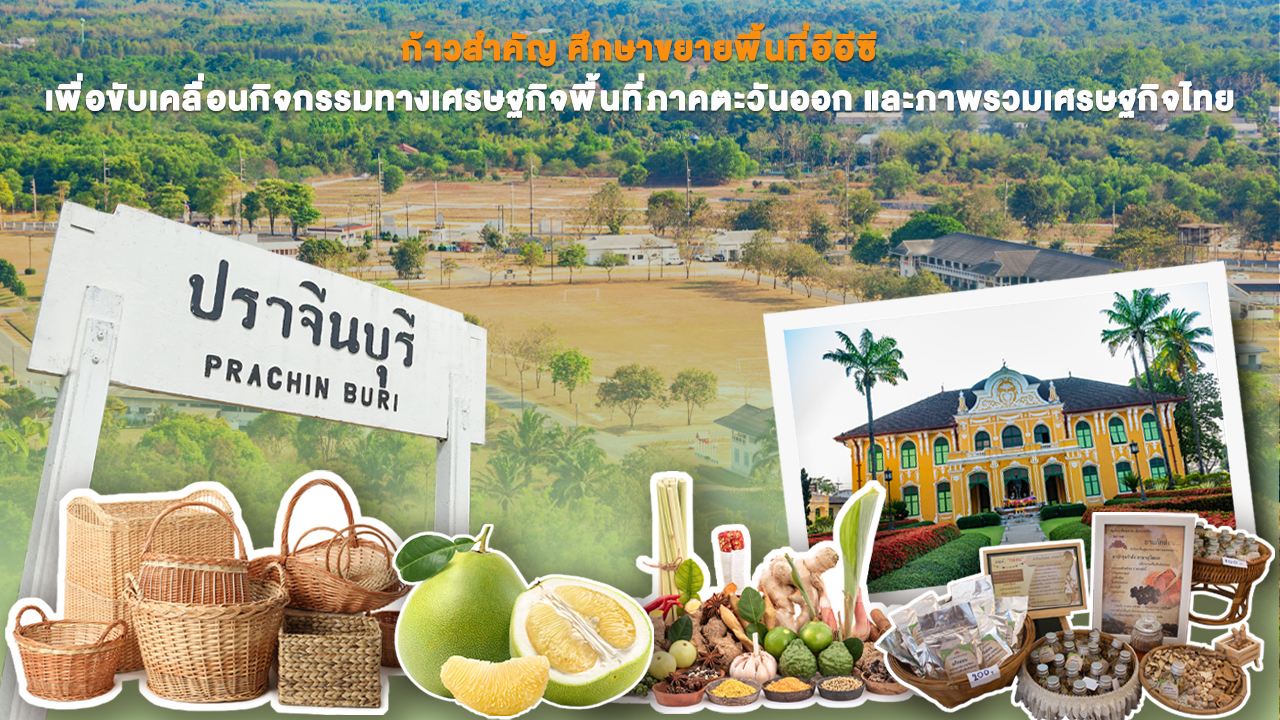
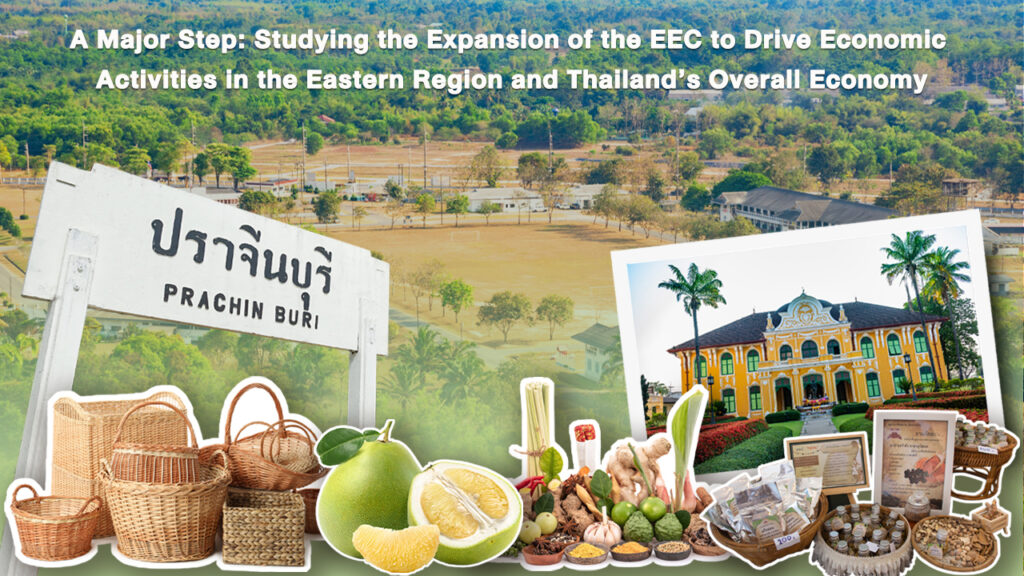
A Major Step: Studying the Expansion of the EEC to Drive Economic Activities in the Eastern Region and Thailand’s Overall Economy
The Eastern Economic Corridor (EEC) is one of the Thai government’s flagship missions, building on the success of the Eastern Seaboard Development Project launched more than three decades ago. The EEC now spans a target area of over 8.3 million rai across three provinces—Chon Buri, Rayong, and Chachoengsao. Its primary goals are to establish a clear and appropriate land-use plan aligned with local conditions and potential, advance sustainable development principles, and integrate infrastructure and utilities both inside and outside the EEC zone. At the same time, the initiative seeks to develop international-standard urban centers that are modern, livable, and business-friendly, while offering streamlined government services and granting specific incentives to enterprises operating within special economic zones. Private Sector Pushes for Expansion of the EEC
Earlier this year, the Joint Standing Committee on Commerce, Industry, and Banking (JSCCIB)—comprising the Thai Chamber of Commerce, the Federation of Thai Industries, and the Thai Bankers’ Association—presented a set of economic recommendations to the Prime Minister. Among its urgent proposals was the inclusion of Prachin Buri Province into the EEC. The aim is to promote sustainable development and accelerate the growth of green industries, creating new investment opportunities while improving the quality of life for local communities—an extension of the EEC’s core development vision.
EECO Conducts In-Depth Study The Eastern Economic Corridor Office of Thailand (EECO) is currently assessing the feasibility and potential of designating Prachin Buri as part of the EEC. The study encompasses land-use planning, economic and investment opportunities, resource demand forecasting, and the likely social, economic, and environmental impacts. The findings, along with policy recommendations, are expected to be completed by September 2025.
For this purpose, the EECO has commissioned the Thammasat University Research and Consultancy Institute to conduct a comprehensive study across economic, social, and environmental dimensions. Preliminary work includes field surveys of all districts in Prachin Buri and academic analyses using standard methodologies such as SWOT assessments and Social Impact Assessments (SIA).
Public participation is a key focus: input is being gathered transparently from government agencies, private-sector actors, civil society, and residents across Prachin Buri’s seven districts. The process is designed to ensure that community voices and needs are genuinely reflected in the policy direction.
Additionally, the study will forecast future resource requirements—including water, energy, digital technology, and labor—to ensure that infrastructure and utilities can support sustainable and efficient growth.
Towards Sustainable Economic Development and Better Quality of Life This initiative is not merely a technical evaluation but a holistic process combining data, analysis, and public input to determine whether Prachin Buri should be included in the EEC. The final decision will rest with the EECO and, subsequently, the Cabinet.
The EEC’s mission extends beyond designating land for industrial estates. It represents the practical application of sustainable development in the Eastern region. The project emphasizes attracting investment in 12 targeted high-tech and eco-friendly industries, fostering innovation, and integrating smart technologies. It also envisions streamlined, one-stop government services, efficient and accessible infrastructure, and sustainable land use aligned with local potential. Above all, it aims to create modern, internationally competitive cities that are safe, convenient, and conducive to high-quality living and business operations.